

















dding smart home technology to your property can bring convenience, control, and efficiency to your daily life. Whether you want to automate lighting, adjust the thermostat remotely, or manage security from your phone, the process begins with understanding how these devices connect to your existing electrical system. Most smart home products are designed to work with standard wiring, but successful integration requires a careful look at your home’s electrical capacity, wiring age, and overall setup. This article outlines the key steps and considerations for integrating smart home technology with your electrical system.
Understanding Smart Home Electrical Systems
A smart home electrical system combines traditional wiring with smart technology. This setup allows you to automate and remotely control lighting, security, temperature, and appliances using a smartphone, tablet, or voice assistant. The core idea is that your existing electrical infrastructure becomes the foundation for a more responsive and connected home.
Most smart home devices are built to work with your existing wiring and electrical panel. In many cases, simple upgrades like replacing standard outlets or switches with smart versions are enough to get started. For larger or more complex systems, you may need a panel upgrade, a strong Wi-Fi network, and a central hub to coordinate all the devices.
Smart home systems can be installed in existing homes, during remodels, or in new construction. Each scenario presents different opportunities and challenges. Existing homes may require more work to bring wiring up to date, while new builds offer the chance to plan the system from the ground up.
Key Considerations Before Starting Your Integration
Before you begin selecting devices or calling an electrician, it is important to assess your current electrical system. This assessment will help you avoid surprises and ensure your new smart home runs reliably.
Is Your Electrical Panel Ready for Smart Devices?
Smart home devices add cumulative load to your electrical system. Even though individual devices are often efficient, having many always-on components can strain older panels. If your home was built before smart home technology became widespread, the electrical panel may lack the capacity to handle this additional load safely.
Symptoms of an overtaxed panel include breaker trips during normal use, dimming lights, or outlets that stop working. If you notice any of these signs, a panel upgrade may be necessary before integrating smart technology. Older wiring systems, especially those from before the 1990s, may also lack proper grounding. This can create a fire risk when running modern smart devices. A licensed electrician can evaluate your panel and wiring to determine if an upgrade is needed.
Other signs that your breaker box may need replacement include buzzing sounds, a lack of available circuit slots, visible rust, or heat discoloration around the panel. Addressing these issues early makes the integration process smoother and safer.
Wired vs Wireless Smart Home Systems
When planning your smart home, you will need to choose between wired and wireless systems. Each approach has its own strengths and is suited to different situations.
Wired systems, such as those based on the KNX standard, offer high reliability and use an open global standard. They require a higher initial investment and are most practical for new builds or full renovations, because the wiring must be installed during construction. Once in place, wired systems are very stable and less prone to interference.
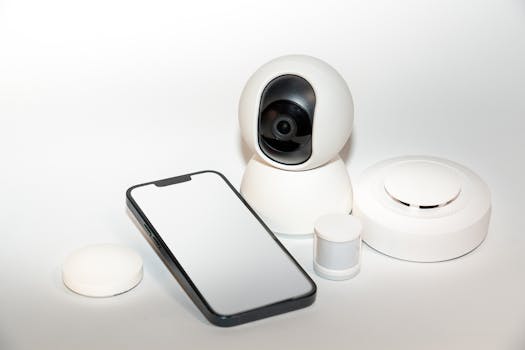
Wireless systems, such as those using ZigBee technology, are generally lower in cost and modular. They require no building work to install, since devices communicate wirelessly. Each powered device in a wireless system acts as a signal repeater, extending the network’s range. This makes wireless systems a flexible choice for existing homes where running new wires would be disruptive. However, wireless systems depend on a reliable network and may be affected by interference or range limitations.
Steps to Integrate Smart Home Technology with Your Electrical System
Once you understand the basics and have assessed your electrical system, you can move forward with integration. The following steps outline a practical approach.
Assess Your Current Electrical System
Start by having a licensed electrician like Bauer Electric inspect your electrical panel, wiring, and grounding. This inspection will identify any capacity issues, outdated wiring, or safety hazards that could affect smart device performance. The electrician can also determine if your panel has room for additional circuits or if a service upgrade is necessary. This step is especially important for homes built before the 1990s.
Ensure Your Wiring and Panel Have Adequate Capacity
If your assessment reveals that your panel is underpowered or your wiring is outdated, address these issues before adding smart devices. Upgrading the service panel provides the capacity needed for the cumulative load of multiple smart devices, while modern wiring ensures safe and reliable operation. This work must be performed by a qualified electrical contractor to meet safety codes and standards.
Add a Whole-Home Surge Protector
Smart home electronics are sensitive to voltage fluctuations. Installing a whole-home surge protector at the main electrical panel shields all connected devices from power surges, which can occur during storms, grid switching, or when large appliances cycle on and off. This single addition protects your investment in smart technology and extends the life of your electronics.
Choose Between Wired and Wireless Systems
Decide which type of system fits your needs and property. For new construction or a full renovation, a wired system offers long-term reliability and a clean installation. For an existing home where you want to avoid opening walls, a wireless system provides flexibility and ease of installation. Many homeowners use a hybrid approach, relying on wireless for most devices while using wired connections for critical components.
Plan for a Strong Wi-Fi Network and Central Hub
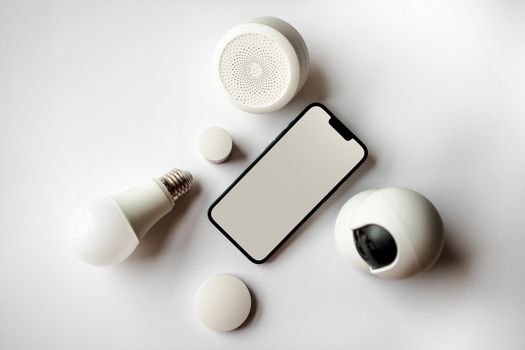
Larger smart home systems benefit from a robust Wi-Fi network and a central hub that coordinates communication between devices. The hub acts as the brain of the system, allowing devices from different brands to work together. Your electrician or low-voltage cabling specialist can help you plan the placement of routers, access points, and hubs to ensure reliable coverage throughout your property.
Frequently Asked Questions
Can smart home devices be installed in older homes?
Yes, smart home devices can be installed in existing homes, but older wiring and panels may need upgrades to handle the cumulative load of multiple devices safely. It is a good idea to have a licensed electrician like Bauer Electric Inc in Ewing New Jersey inspect the system before installation to identify any capacity or grounding issues that could affect performance or safety.
Will smart home devices overload my electrical system?
Individual smart devices use relatively little power, but the cumulative load of many always-on devices can strain an older electrical panel. Signs of overload include tripping breakers, dimming lights, or outlets that stop working. If your home was built before smart home technology was common, a panel upgrade may be necessary.
Do I need a neutral wire for smart switches?
Many smart switches require a neutral wire to power their internal electronics, while some are designed to work without one. Compatibility depends on the specific device and your home’s wiring. Bauer Electric can check your switch boxes and recommend suitable products based on your wiring setup.
Is professional installation necessary for smart home technology?
While some simple plug-in devices can be set up by a homeowner, integrating smart technology with your electrical system safely requires professional knowledge. Tasks such as panel upgrades, wiring modifications, and whole-home surge protector installation should always be handled by a qualified electrical contractor to ensure safety and code compliance.
Are you interested in a whole house Smart Home Technology contact Bauer Electric for a consultation. Visit Beinj.com